Seasonal Living In West Palm Beach’s Waterfront Condos
May 28, 2026
May 28, 2026
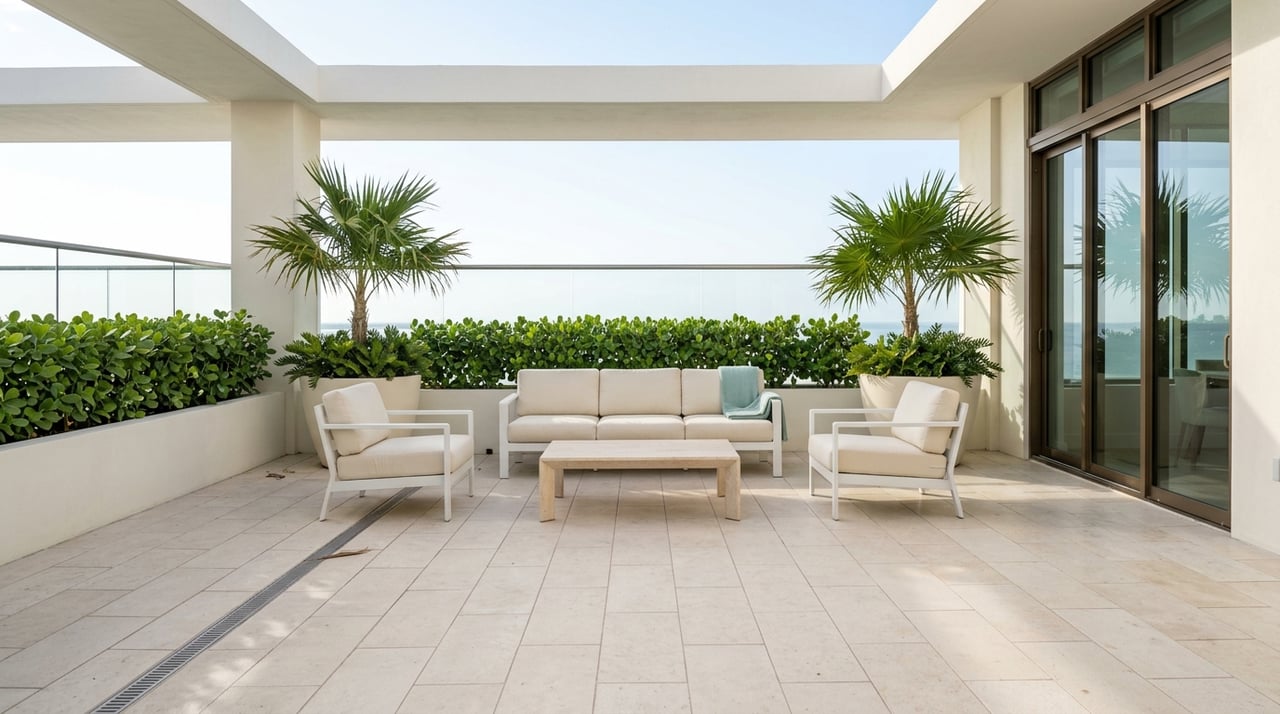
Wondering what it’s really like to own a waterfront condo in West Palm Beach for only part of the year? The answer depends as much on the calendar as the view. If you are exploring seasonal living along Flagler Drive or downtown’s waterfront, it helps to understand when the city feels vibrant, what daily life actually looks like, and how owners plan for the quieter summer months. Let’s dive in.
Seasonal living in West Palm Beach follows a very clear rhythm. In practice, the busiest stretch begins around Thanksgiving and runs through April, with January through April bringing the most concentrated energy across the area.
That timing shapes how many owners use waterfront condos. Winter and early spring are when the local calendar fills up, while summer tends to feel quieter, hotter, and more weather-focused. If you are buying for part-year use, that seasonal pattern is not a side detail. It is central to the ownership experience.
Winter is when West Palm Beach feels most active for many seasonal residents. The local tourism cycle is strongest from November through April, and that momentum spills into the downtown waterfront, restaurants, events, and public spaces.
A simple example is the West Palm Beach GreenMarket. The city says it runs on Saturdays through May 30, 2026, then closes for summer before returning on October 3, 2026. That kind of schedule reflects a broader truth about the area: the cool-weather months are when everyday life feels especially social and full.
For many condo owners, this is the season when the property functions as a true second home rather than just a place to visit occasionally. You can arrive for a few weeks or several months and step into a city that is already in motion.
West Palm Beach waterfront condo living is tied more to the Intracoastal and downtown shoreline than to a beach-strip setting. The core experience centers on the Flagler Drive corridor and the public waterfront between Flagler Memorial Bridge and Royal Park Bridge.
That geography matters because it creates a more urban, walkable routine. Flagler Drive is used for walks, runs, cycling events, and outdoor festivals, while places like Centennial Square, the Great Lawn, and Lake Pavilion help keep the waterfront active in season.
For you as a seasonal owner, that means the water is part of daily life, not just the backdrop from your balcony. The city says its downtown waterfront provides access to the Intracoastal Waterway, and the public docks are open seven days a week from 5 a.m. to midnight for free non-commercial use.
The same waterfront area also supports paddleboard, kayak, jet ski, and cruise activity. In the peak season, it is easy to see why many buyers are drawn to this part of West Palm Beach. The setting supports both quiet mornings and active afternoons without requiring a full resort-style itinerary.
One reason seasonal condo living works so well in West Palm Beach is convenience. You are not just buying into water views. You are buying into a location that supports easy arrivals, easy departures, and a relatively low-friction stay.
Brightline serves downtown West Palm Beach, and the surrounding area includes the Clematis Street Entertainment District, CityPlace, the convention center, hotels, and the waterfront within walking distance of the station. That helps make train-in, train-out living realistic for some part-time owners.
Palm Beach International Airport is another major advantage. The county says PBI is just 2.5 miles west of downtown West Palm Beach and offers more than 200 daily nonstop arrivals and departures. For seasonal residents, that proximity can make even shorter visits feel manageable.
Car ownership may still make sense depending on your routine, but it is not always essential for every stay. Between downtown walkability, rail access, airport proximity, and city parking options, many owners can keep things relatively simple.
If you are comparing waterfront condos for part-year living, the most important amenities are often the least flashy. In this market, building services can matter more than raw square footage, especially if you want a lock-and-leave lifestyle.
Current waterfront condo marketing in West Palm Beach shows a consistent pattern. Concierge, valet, security, package handling, parking support, pools, fitness centers, wellness spaces, lounges, and water-oriented amenities show up again and again across luxury buildings and projects.
That points to a clear hierarchy for seasonal buyers:
In practical terms, many part-time owners are looking for a building that is easy to enter, easy to enjoy, and easy to leave. The strongest seasonal condo options often support that rhythm through staffing, security, convenience, and amenity design.
Another reason waterfront condo living feels compelling here is that downtown West Palm Beach is not an isolated tower district. The city’s Downtown Master Plan describes downtown as a 24-hour live-work-play environment with an emphasis on connecting downtown to the waterfront.
That vision is backed by growth. The city says downtown expanded from about 1,000 residential units at the time of the original plan to nearly 9,000 units today, along with more than 10.4 million square feet of nonresidential space.
For you, that translates into a more complete neighborhood experience. Seasonal ownership can feel less like checking into a temporary enclave and more like stepping into an active urban waterfront setting with year-round infrastructure.
Summer in West Palm Beach is not just a warmer version of winter. It is a different phase of ownership altogether. The weather is hotter and wetter, visitor levels are lower, and many seasonal residents spend less time in town.
NOAA climate normals show a January mean temperature of 66.3°F compared with 83.1°F in July and 83.2°F in August. Annual precipitation totals 61.75 inches, with the wettest months arriving in summer.
That shift changes how many owners think about the property. In winter, the focus is lifestyle and use. In summer, the focus often becomes planning, monitoring, and making sure the condo is ready for extended absence or weather changes.
For seasonal condo owners, summer planning is not optional. The City of West Palm Beach notes that the Atlantic hurricane season runs from June 1 through November 30, and NOAA says the climatological peak arrives in August and September.
The city’s hurricane guidance emphasizes practical preparation, including a 72-hour emergency kit, an evacuation plan, and awareness that flooding is often one of the greatest threats during a tropical storm or hurricane. That matters even more when you are not living in the condo full-time.
If you leave West Palm Beach for the summer, a simple departure plan can make ownership smoother. Depending on your building and routines, that may include reviewing building procedures, checking storm readiness, and using local resources designed for residents who are away.
Seasonal ownership often comes down to the unglamorous details. In West Palm Beach, a few city resources help support that part-time lifestyle.
The city offers monthly garage parking permits that support downtown living and visitor convenience, along with EV charging and safety escorts in city garages. Those features may not headline a property brochure, but they can make regular arrivals and departures easier.
The West Palm Beach Police Department also offers a House Watch program for residents who are away. For seasonal owners, that is one more example of how local infrastructure supports lock-and-leave living, especially in the off-season.
A waterfront condo in West Palm Beach can be a strong fit if you want an urban coastal base that feels most alive during the winter and early spring. The appeal is not only the water view. It is the combination of location, transportation, public waterfront access, and building services that support part-year use.
The key is matching the property to your actual routine. If you value easy travel, walkable surroundings, service-driven amenities, and a predictable winter social season, the right building can make seasonal ownership feel seamless.
If you are weighing options along Flagler Drive or across waterfront West Palm Beach, building-level insight matters. The differences between towers, services, layouts, and arrival logistics can shape your experience as much as the address itself.
If you want tailored guidance on waterfront condos, seasonal use patterns, or discreet buying opportunities in West Palm Beach, Samantha Curry can help you evaluate the market with local perspective and a polished, client-first approach.
Stay up to date on the latest real estate trends.
September 17, 2026
September 10, 2026
September 3, 2026
August 27, 2026
August 20, 2026
August 13, 2026
August 13, 2026
August 6, 2026
July 23, 2026