Palm Beach Island Or Waterfront West Palm: Choosing Your Next Address
May 14, 2026
May 14, 2026
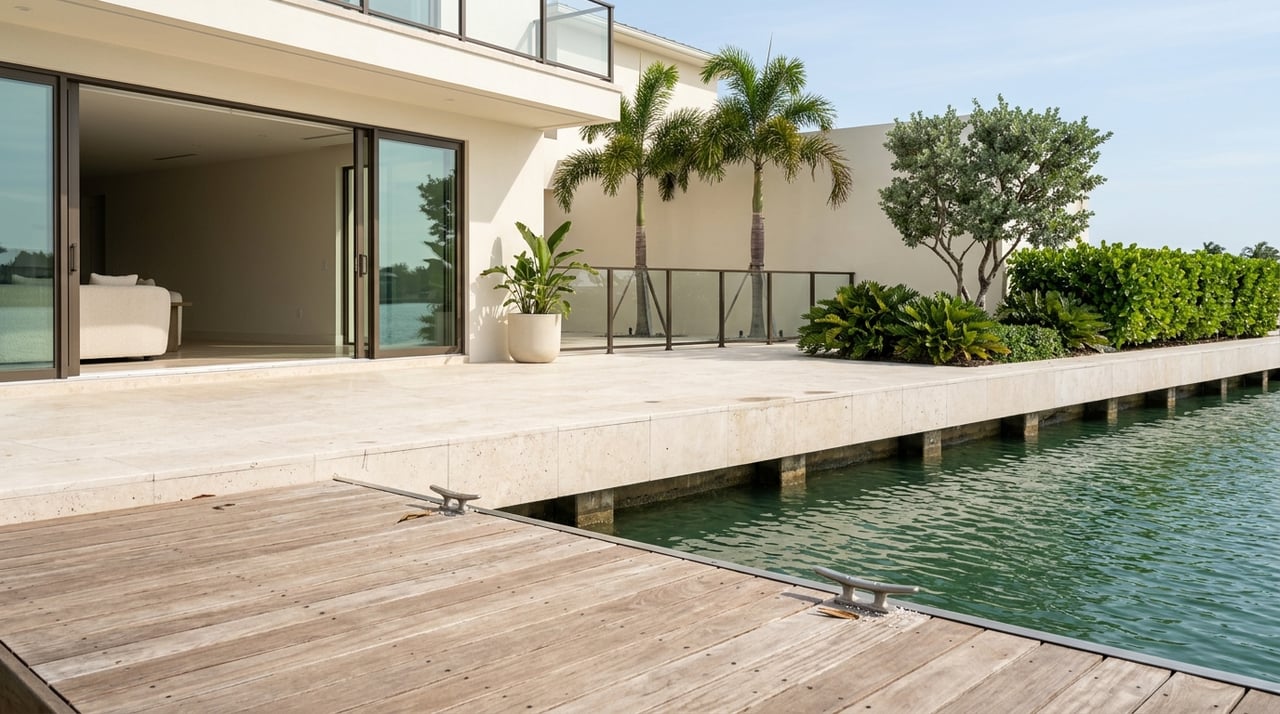
If you are choosing between Palm Beach Island and waterfront West Palm Beach, you are not just comparing home prices or views. You are choosing the pace, setting, and daily experience that will shape how you live. The good news is that both offer exceptional waterfront living, but they do it in very different ways. Here is how to think through the decision with clarity and confidence.
Palm Beach Island is built around a more residential, preservation-minded identity. The Town of Palm Beach highlights its active historic preservation program, strict zoning standards, three miles of public beaches, and award-winning golf and tennis facilities.
That planning approach shows up in everyday life. The town’s comprehensive plan points to single-family residential as the largest future land-use category, with limited commercial land use and a zoning framework focused on setbacks, open space, light, airflow, and preservation. In simple terms, Palm Beach Island is designed to protect a quieter, lower-density coastal environment.
If you value privacy, architectural character, and a more established coastal setting, the island often stands out. The overall rhythm tends to feel more tucked away and residential, even in its most prestigious areas.
Palm Beach Island also has a strong private-club culture. Well-known examples include the Sailfish Club of Florida, Palm Beach Country Club, and Palm Beach Yacht Club, which describes itself as the most active private club in the Palm Beach area.
Walkability here has a very specific flavor. Worth Avenue is the classic example, known for luxury boutiques and al fresco dining close to the ocean.
That means your walkable moments may feel more curated and destination-driven than urban. For many buyers, that is exactly the appeal.
Waterfront West Palm Beach offers a more urban and mixed-use experience. The City of West Palm Beach says its Downtown Master Plan update is intended to guide the next 25 years with vibrant neighborhoods, waterfront growth, and a 24-hour live-work-play environment.
The plan also emphasizes housing, business, entertainment, culture, health, recreation, and pedestrian connectivity. Compared with the island, the result is a setting that feels more active, flexible, and integrated into day-to-day city life.
If you want easier daily convenience and more energy around you, waterfront West Palm Beach may be the better fit. The downtown waterfront supports an active public realm with Intracoastal access, free first-come first-served docks, and options for boating, kayaking, paddleboarding, and catamaran outings.
This side of the water also supports club and dock access. Palm Beach Yacht Club sits on North Flagler Drive overlooking the Intracoastal, showing that mainland waterfront living can still align with a boating-centered lifestyle.
Clematis Street is one of the clearest examples of the downtown experience. It is described as a walkable hub of restaurants, cafés, nightlife, and waterfront views.
If your ideal day includes stepping out for dinner, coffee, or a waterfront stroll without much planning, West Palm Beach may feel more natural. The convenience factor is a real part of the appeal.
One of the biggest differences between these two choices is the type of inventory you are likely to consider.
Palm Beach Island remains the trophy market. The lower-density land-use pattern and zoning framework help explain why the island’s inventory often centers on estate homes, oceanfront condominiums, and a relatively limited number of high-amenity condo buildings.
West Palm Beach waterfront offers a broader and more urban mix. Along the Flagler Drive corridor and nearby waterfront areas, you are more likely to see a concentration of waterfront condominiums and luxury residences tied to a more vertical skyline.
Douglas Elliman reported that in Q1 2025, Palm Beach had a median single-family sale price of $13.95 million and a median condo sale price of $1.5 million. Realtor.com’s April 2026 overview showed a median listing price of $2.995 million citywide, with several condo enclaves above that island median.
In West Palm Beach, Douglas Elliman reported a Q1 2025 citywide median single-family sale price of $590,000 and a median condo sale price of $244,500. In the luxury segment, the median condo sale price was $1.5 million and the median luxury single-family sale price was $2.67 million. Realtor.com’s January 2026 overview for the Flagler-Waterfront District showed a median home price of $2.45 million with 29 homes for sale.
These numbers do not mean one market is better than the other. They show that Palm Beach Island is generally positioned as the more established trophy market, while waterfront West Palm Beach offers a broader entry range with strong luxury options along the water.
For some buyers, the decision comes down to whether you are drawn more to legacy or momentum.
Palm Beach Island offers one of the most established versions of coastal luxury in the region. Its planning, club geography, and lower-density housing pattern all reinforce that sense of permanence and prestige.
West Palm Beach tells a strong growth story. Redfin reported that luxury home prices in West Palm Beach rose 187.3% over the past decade to a median of $4.04 million, and luxury pending sales were up 30% year over year in January 2026.
If you want a setting with deep-rooted prestige, Palm Beach Island may align more closely with your goals. If you are excited by an evolving luxury waterfront market with energy and upward momentum, West Palm Beach may be worth a closer look.
In practice, many buyers are weighing both. The right answer often depends less on status and more on how you want your life to feel when you wake up there.
A simple way to decide is to think in terms of your daily rhythm, not just your wish list.
Neither choice is one-size-fits-all. They simply serve different versions of luxury living.
If you are considering a condominium or co-op, due diligence matters on either side of the water. Palm Beach’s planning department specifically discusses milestone inspections for condo and co-op buildings.
For older buildings, it is wise to review inspection status, reserves, and repair history before closing. That step can help you better understand both the condition of the property and the building’s near-term obligations.
On paper, Palm Beach Island and waterfront West Palm Beach may seem close together. In reality, they operate as distinct micro-markets with different inventory patterns, pricing structures, and lifestyle signals.
That is especially true at the luxury and ultra-luxury level, where building reputation, address, waterfront orientation, and access can all shape value. If you are comparing a trophy condominium on the island with a premier Flagler Drive residence, local context matters as much as square footage.
Whether you are looking for an island estate, a waterfront condominium, or a discreet off-market opportunity, the best next step is a tailored conversation around your goals. To explore Palm Beach Island and waterfront West Palm Beach with precision and discretion, connect with Samantha Curry.
Stay up to date on the latest real estate trends.
September 17, 2026
September 10, 2026
September 3, 2026
August 27, 2026
August 20, 2026
August 13, 2026
August 13, 2026
August 6, 2026
July 23, 2026