Leave a Message

Thank you for your message. We will be in touch with you shortly.

Bristol vs La Clara vs Forte: Which Tower Fits You?

January 1, 2026

Bristol vs La Clara vs Forte: Which Tower Fits You?

Are you trying to decide between The Bristol, La Clara, and Forte along Flagler Drive in West Palm Beach? You have three exceptional options, each with a different take on luxury living, services, and ownership rules. The challenge is not whether these towers are good. It is which one fits your lifestyle, budget, and long-term plan. In this guide, you will learn how to compare them like a pro across amenities, services, floor plans, views, HOA frameworks, and resale dynamics. Let’s dive in.

What matters most on Flagler Drive

Flagler Drive is prime waterfront with quick access to downtown dining, marinas, cultural venues, and the island. That location premium means details matter. You pay for the mix of service level, amenities, and view. The better you define your priorities, the easier it is to choose among top-tier towers.

Here are the five factors that should drive your shortlist:

  • Amenity and service stack
  • Floor plans and livability
  • View corridors and orientation
  • HOA rules, reserves, insurance, and fees
  • Resale history and liquidity

Bristol vs La Clara vs Forte: the right fit

Each of these towers delivers a luxury experience on the West Palm Beach waterfront. How they stack amenities, staff, layouts, and rules creates a different daily rhythm and cost of ownership. Your best fit depends on which mix feels essential versus optional.

Amenity and service fit

Start by ranking service. Do you want full-service with 24/7 staffing, valet, and daily porter presence, or do you prefer a streamlined environment with a manager and engineering staff during core hours? Higher staffing often comes with higher HOA fees, but also with seamless living and stronger resale positioning in the ultra-luxury tier.

Essential amenities most buyers prioritize:

  • Pool with outdoor lounging and shade
  • Fitness center and studio space
  • Residents’ lounge or clubroom
  • Secure package and delivery management
  • Assigned garage parking and guest parking

Differentiators that can set a tower apart:

  • Valet service and private garages
  • Private elevator foyers
  • Spa or treatment rooms
  • Wine room or private dining/catering kitchen
  • Guest suites, dog run, or grooming rooms
  • Marina slips or immediate boating access

Clarify what you will truly use weekly. If you expect white-glove service, social programming, and privacy at every touchpoint, that often aligns with buildings that run full concierge and valet. If you prefer quiet luxury and lighter monthly carrying costs, a refined but moderate service model may be a better match.

Floor plans and livability

Study typical layouts by bedroom count and square footage ranges. Look for:

  • Ceiling height and natural light
  • True gallery or foyer entries for art and privacy
  • Open-plan great rooms versus separated living/dining
  • Split-bedroom layouts for guests
  • Size of terraces and wind exposure
  • Private elevator access options

Decide who the home is for and how long you plan to stay each year. Seasonal owners often prioritize view, storage, and turnkey ease. Full-time residents tend to value larger kitchens, laundry rooms, office space, and private entries. The right plan is the one that fits your daily routine without constant trade-offs.

Views and orientation

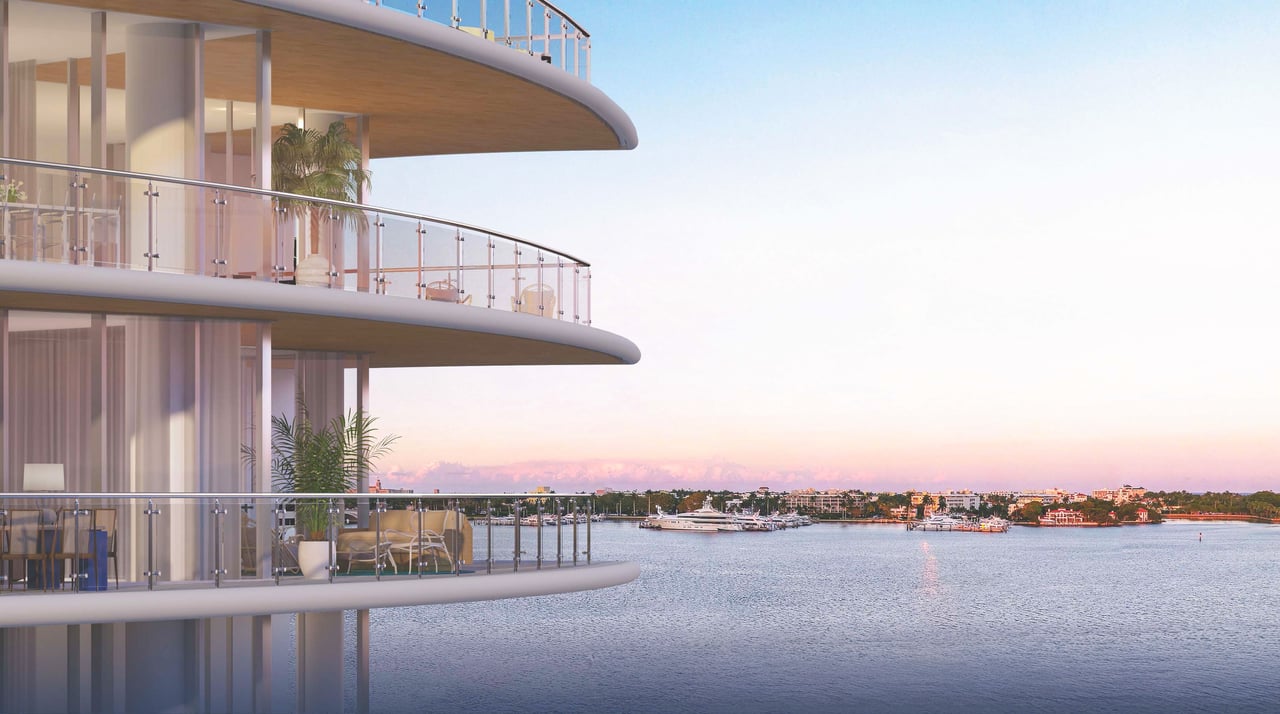
On Flagler, view drives value. East-facing waterfront views over the Lake Worth Lagoon are typically the top premium. North- and south-facing lines can capture inlet, skyline, or long-water exposures. West-facing lines may trade water for dynamic city views and sunsets. Higher floors usually command a per-square-foot premium. Confirm exact sightlines, since nearby buildings, landscaping, and future development can influence what you see from each room.

Pro tip: Evaluate the view by room, not just from the terrace. A kitchen with water and a primary suite with water will perform differently than a living room only view.

HOA rules, reserves, insurance, and fees

Your HOA framework is as important as your floor plan. Focus on:

  • What monthly fees include and the date of the last increase
  • Reserve fund strength and status of the latest reserve study
  • Insurance structure, including wind and hurricane deductibles
  • Flood zone considerations and whether the association carries any flood coverage
  • Rental policy, minimum lease terms, and frequency limits
  • Pet policy, including weight or count limits
  • Special assessment history and any planned capital projects

Florida condominiums operate under the Condominium Act. Understanding your association’s budget, reserves, and disclosures protects you from surprises after closing.

Resale and liquidity

Study recent sales and time on market for each building. Water-facing lines and higher floors normally trade at premiums. Smaller buildings can show more volatility year to year, so rely on multi-year trends, not a single outlier sale. Ask how lender-friendly the association is, since active litigation, limited reserves, or high investor concentration can affect financing and appraisals, which in turn shape your exit strategy.

How to compare apples to apples

Create a simple side-by-side that you update as you tour. Include:

  • Year completed, developer and architect
  • Unit mix by bedroom count and typical square footage ranges
  • HOA fee range and key inclusions
  • Amenities and service staffing hours
  • Parking allocations and guest policy
  • Rental and pet rules
  • Reserve study status and insurance details
  • View corridors available by line and floor
  • Recent median price per square foot and days on market

You can source the facts from official association documents, the Palm Beach County Property Appraiser for ownership and recorded sales, MLS closed sales, and building marketing materials. Verify everything that affects your cost of ownership or resale timeline.

View corridors on Flagler: what to check

  • East-facing lines with unobstructed water are often the top premium. Confirm angles, especially on lower and mid floors.
  • North-facing lines may capture inlet or skyline views that change at night. Ask about light and any possible glare or street activity.
  • South-facing lines can offer long-water vistas and softer light. Check for nearby mid-rises that could influence sightlines.
  • West-facing lines can shine at sunset and for city views. Evaluate heat and sun exposure on terraces in late afternoon.
  • Consider terrace usability. Depth, wind patterns, and shade matter as much as view.

Bring aerials and a floor-by-floor stack plan to each tour. Match what you see in person to the plan so you understand how view changes as you move up.

HOA and insurance: risk checks to make early

Before you write an offer, request:

  • The current budget, financials, and the most recent reserve study
  • Master insurance summary, including hurricane deductible and what the association covers versus you
  • History of special assessments in the last 5 years and any planned capital work
  • Current rental and pet rules in writing
  • Any active or pending litigation that could affect lending

Florida flood zones, wind coverage, and rising insurance costs make these items material to your monthly and annual carry. Ask your lender for the building’s current approval status and whether any conditions apply to mortgages in the building.

Touring strategy and timing

  • Tour across different times of day to understand traffic, lobby activity, and light.
  • Start with one high-floor water-facing line and one non-water or city-facing line in each building to compare premiums.
  • Test elevators, parking, and delivery access. Notice staff presence and response.
  • If you plan to host or work from home, ask to see clubrooms, conference spaces, and Wi-Fi coverage.
  • Visit surrounding streets and parks to assess walkability and noise.

Seasonal patterns matter. Inventory and showing windows often expand in winter. If you plan to rent seasonally, confirm leasing windows and registration timelines early.

A buyer-fit checklist for these three towers

Use this quick checklist as you weigh Bristol, La Clara, and Forte:

  • Service: Do you want round-the-clock concierge and valet, or a quieter, lighter-service environment?
  • Space: Which bedroom count and layout best match daily life, guests, and storage?
  • View: Is a direct water view a must-have, or would you trade it for larger interior space or lower HOA fees?
  • Rules: Do rental and pet policies align with your lifestyle now and in the future?
  • Carry: Are HOA fees, insurance, and taxes in line with how often you will use the home?
  • Exit: How many comparable sales exist for your line and view in the last 24 months, and how fast did they sell?

What we verify before you decide

You deserve clarity before you commit. A thorough due diligence package typically includes:

  • Association documents, budget, and reserve study review
  • Insurance summary with wind and hurricane deductibles
  • FEMA flood zone review for the parcel
  • Palm Beach County Property Appraiser records for ownership and sales confirmation
  • MLS analysis of 24 to 36 months of closed sales, including price per square foot and days on market by floor band
  • Interview notes with on-site management about staffing, deliveries, and any planned capital work

This process turns preferences into a confident decision and reduces the risk of post-closing surprises.

How Samantha streamlines your shortlist

When you shop the best towers on Flagler Drive, access and accuracy matter. You get a curated, private tour plan that focuses on the exact lines and floors that match your criteria. You also receive a building-by-building matrix with verified fees, rules, insurance notes, and recent comps, so you can compare costs and value clearly. If off-market or pre-list opportunities exist, you will see them.

The goal is simple. You make an informed choice with complete context, then negotiate from a position of strength.

Next steps

  • Define your must-haves, nice-to-haves, and non-negotiables.
  • Confirm your budget range, financing needs, and timeline.
  • Request a building comparison matrix for The Bristol, La Clara, and Forte with the latest HOA data and comps.
  • Tour targeted lines and floors, then refine based on what you learn.

If you are ready to see how these towers compare for your lifestyle, reach out for a private consultation with Samantha Curry. You will get a discreet, data-driven plan to secure the right home at the right price.

FAQs

What is the biggest difference among Bristol, La Clara, and Forte?

  • The service level and amenity mix often create the biggest lifestyle and cost differences, followed by view orientation and HOA rules.

How much more do water-facing units usually cost on Flagler Drive?

  • Waterfront-facing lines typically command a premium, and higher floors often add another layer, so compare recent comps by floor band and line before bidding.

What HOA documents should I review before making an offer?

  • Ask for the current budget, reserve study, insurance summary, rental and pet rules, special assessment history, and any active or pending litigation disclosures.

How do I verify view corridors and possible obstructions?

  • Combine building stack plans and aerial imagery with in-person tours of the exact line and floor, and confirm any nearby projects that could change sightlines.

Can financing be an issue in luxury condo towers?

  • Yes, lender approval can be impacted by reserves, litigation, and investor concentration, so confirm building eligibility with your lender early.

When is the best time to shop these buildings?

  • Winter months often bring more active listings and showing windows, though serious opportunities appear year-round, including off-market options.

Connect With Samantha

Follow Me On Instagram