A 2-2 Vote Just Decided Who Controls a Palm Beach Bungalow, and It Wasn't the Owner
September 17, 2026
September 17, 2026
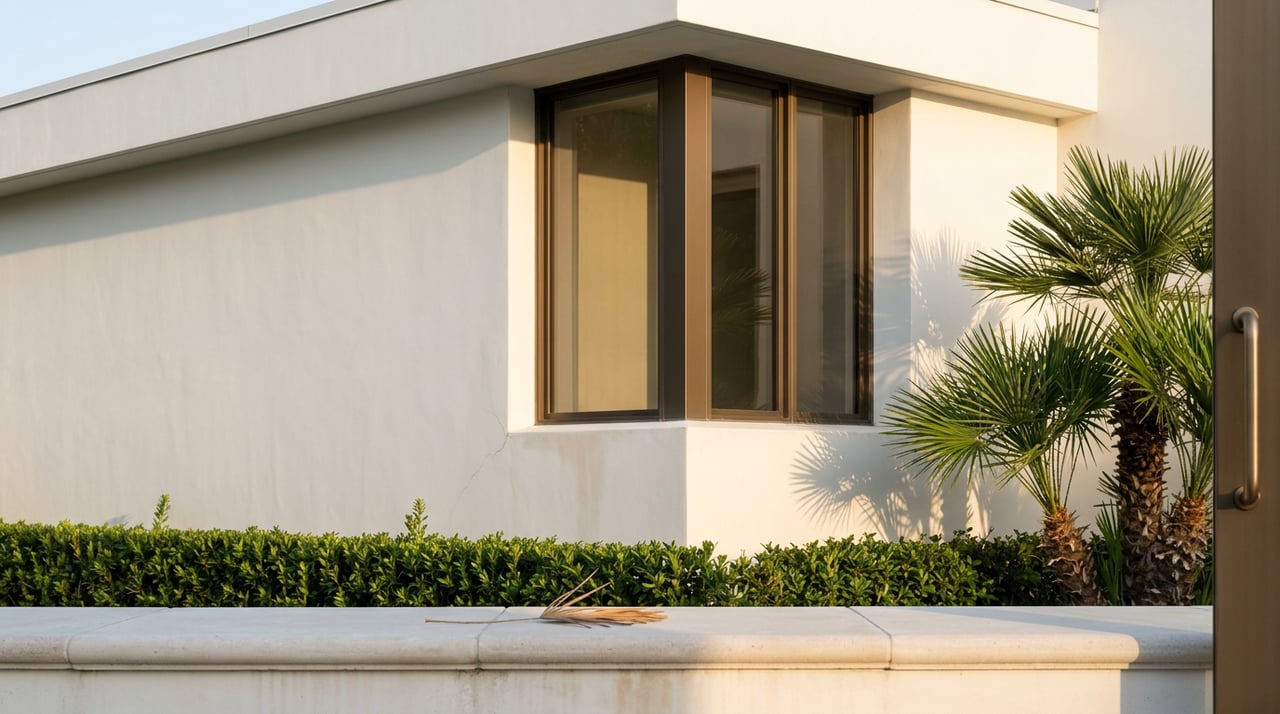
On May 13, a lawyer stood before the Palm Beach Town Council and argued that her client's house did not deserve to be a landmark. The house at 141 Chilean Avenue is a century-old bungalow in the Royal Park subdivision, just east of Town Hall. The corporation that owns it, Chant (Palm Beach) Corp., has held the property for nearly 34 years. It was inherited, and the plan was to pass it to the next generation intact, meaning unencumbered by the design review that comes with landmark status. Attorney Maura Ziska told the council the designation would create a financial burden her client never asked for. She called it "a sneak attack."
The council disagreed. The vote came in tied at 2-2, and Mayor Danielle Moore broke the deadlock. The house is now a landmark, whether its owner wanted that or not.
Most people reading about a single bungalow assume this is a story about one family and one house. It isn't. Under the town's landmarks ordinance, owner opposition does not prevent a designation, and once a property carries that status, it follows the land through every future sale. A buyer who closes on a landmarked house next year inherits the same review requirements as the family that fought the designation this year, with no say in how it got there. That is the mechanism that matters here, not the bungalow itself.
Palm Beach has protected its architectural character since 1979, when the Town Council first adopted the Historic Preservation Ordinance. The town's own count, cited on its planning pages, puts more than 328 landmark properties, sites, and vistas under that protection today. Individual landmarks sit alongside entire historic districts covering parts of Midtown, the Sea Street area, and the El Brillo corridor in the South End, with pockets of overlay protection reaching into the North End as well.
What changes once a property lands inside one of these categories is the review authority. Non-landmarked buildings on the island go through the Architectural Commission, known locally as ARCOM, for exterior alterations and new construction. Landmarked properties and buildings inside historic districts answer instead to the Landmarks Preservation Commission under Chapter 54 of the Town Code, and the standards get more specific from there.
| Standard ARCOM review | Landmark or historic district review (LPC) | |
|---|---|---|
| Governing body | Architectural Commission | Landmarks Preservation Commission, Town Code Chapter 54 |
| Applies to | Non-landmarked structures, new construction, most exterior work | Individually landmarked homes and structures inside Midtown, Sea Street, El Brillo, or North End overlay districts |
| Interior scope | Rarely reviewed | Can extend to architecturally significant interior features |
| Demolishing a structure that predates 1965 | Handled through standard permitting | Requires a public hearing and is not treated as routine |
| Additions to the original structure | Compatibility reviewed | Must read as subordinate in scale and differentiated in detail, not a simple extension of the original design |
There is one narrow exception worth knowing. A 2022 state law lets a single-family homeowner who objects to a landmark designation demolish the house anyway, but only if it sits in a designated flood-hazard area and fails to meet FEMA flood-elevation standards. That carve-out exists specifically because Palm Beach's own flood consultant, the Woods Hole Group, has recommended raising minimum elevation requirements above the federal floor in response to changing FEMA maps. Whether the Chilean Avenue house qualifies is a separate question from whether it was landmarked fairly. The two issues run on different tracks.
And the protection does not reset with a sale. Town planning staff have confirmed that if a landmarked house changes hands, the new owner's objection to the designation does not remove it. The house carries its status the way a deed carries its legal description, regardless of who is named on the closing documents.
Here is the part that catches buyers off guard even when they know a house is landmarked. Most people close on a Palm Beach estate before ARCOM or the LPC has approved a single renovation drawing. That is normal, and most buyers do it. What is less obvious is what that timing does to the math.
The design review clock effectively starts at closing, not at contract signing. That means the carrying costs during design and review, insurance, taxes, financing, landscaping upkeep on a house you cannot yet touch, sit with the buyer rather than the seller. On a non-landmarked property, that gap might run a matter of months through ARCOM. Inside a historic district or on an individually landmarked structure, full commission review requires complete documentation submitted at least 21 days ahead of a scheduled hearing, and roofing, window, and addition work all face a materially higher bar for approval. A kitchen renovation that would clear a standard commission in weeks can take considerably longer when the house sits inside the El Brillo corridor or carries individual landmark status, and the buyer is paying to hold the property the entire time.
Even projects that look minor get the same procedural weight as a full renovation. A storefront application at 259 Worth Avenue seeking approval for new signage, an entry door, and awnings still required a full ARCOM hearing this year and was deferred to a later commission meeting. Scale does not exempt a project from the process. It only changes how long the process takes.
It would be easy to assume this level of scrutiny only slows down modest homes like the Chilean Avenue bungalow. It doesn't. Developer Todd Michael Glaser, who paid $85 million for Tarpon Island and $18.5 million for the El Brillo Way estate once owned by Jeffrey Epstein before demolishing it, has said publicly that the ARCOM process can be genuinely difficult to sit through, even for someone with his experience and even after receiving a preservation award from the town's own Preservation Foundation for a separate restoration. If a buyer with that track record treats the review process as a serious variable rather than a formality, a first-time Palm Beach buyer should treat it the same way.
If you are evaluating an older home anywhere in the Estate Section, El Cid, or the streets around Flamingo Park, you are not just buying square footage and lot lines. You are buying exposure to a designation process that can run independent of your own intentions, the way it did for the Chilean Avenue owner. A few things are worth confirming before you write an offer, not after:
If you are selling an older home, particularly one that has never been formally reviewed, it is worth understanding your own exposure to a future designation before you list, since a buyer's counsel will likely raise the same questions Ziska raised for her client, just from the other side of the table.
None of this substitutes for a conversation with Town planning staff or your own attorney before a contract is signed. What it should do is change the order of your diligence, so the landmark question gets asked before closing rather than during the first design meeting after.
Does landmark status hurt resale value? It depends on the buyer. Some pay a premium for the pedigree and the certainty that a neighbor's teardown can't change their view. Others see the same protection as a ceiling on future flexibility. Either way, it narrows the buyer pool to people who have made peace with the tradeoff, which can lengthen negotiation relative to an unrestricted comparable.
Can I close before my renovation plans are approved? Yes, and it is the norm rather than the exception. The tradeoff is that the review clock starts at closing, and the carrying costs during design and approval become the buyer's expense rather than the seller's.
A designation vote like the one on Chilean Avenue rarely makes national news, but it tells you something about how this island actually works, at every price point, not only the trophy addresses. Understanding that mechanism before you write an offer is worth more than any square footage figure on a listing sheet.
If you're evaluating a property on Palm Beach Island and want a clear read on its landmark exposure before you commit, Samantha Curry can walk you through it. Request a Confidential Market Consultation.
Stay up to date on the latest real estate trends.
October 8, 2026
October 8, 2026 | West Palm Beach Luxury Real Estate
October 8, 2026
October 1, 2026
September 24, 2026
September 17, 2026
September 10, 2026
September 3, 2026
August 27, 2026
August 20, 2026